Mostrando entradas con la etiqueta Beatles. Mostrar todas las entradas

lunes, 16 de mayo de 2011

The Cavern Beatles en Algeciras


Sencillamente, brutal. No me sale otra palabra mejor para calificar el concierto celebrado anoche en la Sala La Gramola por The Cavern Beatles en Algeciras en la noche de ayer. Hay que quitarse el sombrero ante la calidad de los componentes que han imitado casi a la perfección al legendario cuarteto de Liverpool. El ambiente de la sala recordaba ciertamente los orígenes de los Beatles en su ciudad natal y el parecido simbiótico de La Gramola con The Cavern solo podía presagiar un espectáculo digno de verse, pese a lo reducido del escenario.

Está claro que es imposible reemplazar a los originales y no sentir la misma sensación que cuando hace cuarenta años eran muchas las personas que se volcaron en masa en todos aquellos paises donde fueron recibidos casi como reyes del rock y se convirtieron por derecho propio en el mito absoluto de la historia de la música actual, con perdón de los Rolling Stones. Pero lo que vi anoche, aun sabiendo que ahí arriba no estaban ni Paul McCartney ni Ringo Starr, y a George y John aunque fuesen en espíritu, sino un sucedáneo --pero un magnífico sucedáneo al fin y al cabo--, me he sentido atrapado por el despliegue de medios y el entusiasmo de los cuatro músicos que han bordado todas y cada una de las míticas canciones de los Beatles originales, imitando muchos de sus gestos y hasta las voces, sin llegar a ser totalmente idénticas (el alter ego de Paul McCartney hizo un gran esfuerzo cantando "Yesterday" con la guitarra acústica). A fe mía, que me ha gustado muchísimo la copia, y ojalá hubiese nacido con tiempo de haber disfrutado a rabiar del original. En realidad, no hay apenas diferencias entre la una y la otra, solo las caras.

Ha sido todo un lujo haberles oido, y si alguien no ha tenido oportunidad de haberlo hecho hasta ahora, todavía os quedan algunas oportunidades. Hoy actúan en Cádiz en la sala Anfiteatro a partir de las 9:00. Aquí están el resto de sus actuaciones en España, tomados desde su web oficial:

16 Sala Anfiteatro Cádiz 9.00pm
17 Centro Cultural CAM Murcia 8.00pm Gratis FREE
19 Camelot Salamanca 9.00pm
20 Teatro Filarmónica Oviedo 9.00pm 902 106 601
21 Escenario Santander Santander 9.00pm

Facebook: http://www.facebook.com/TheCavernBeatles
Web oficial: http://www.cavernbeatles.com/

domingo, 10 de enero de 2010

The Beatles - Yellow Submarine, la película (1968)

Me sorprende Internet cada vez más. No creo que esto que he acabado de encontrar vaya a durar mucho tiempo, pero quién sabe. Si no les importa a lo que queda de los Beatles (Paul y Ringo), pues puede permanecer en la red por tiempo indefinido.

Todos sabemos que "Yellow Submarine", o al menos los que somos fans de los Beatles (que seremos muchísimos), es una gran película de animación de 1968 basada en la homónima canción del cuarteto de Liverpool, incluida en el álbum "Revolver" de 1966. Fue dirigida por el animador canadiense George Dunning, y producida por United Artists y King Features Syndicate. Los mismos Beatles aparecen sólo casi al final de la película, mientras que los Beatles animados fueron doblados por los siguientes actores:

- John Clive - John
- Geoffrey Hughes - Paul
- Peter Batten - George
- Paul Angelis - Ringo (y también prestó la voz de George, tras el arresto policial de Batten por su deserción de la Armada Británica durante el periodo de la grabación)

La historia nos lleva a un mundo imaginario llamado Pepperland.

Pepperland es un alegre paraíso musical bajo el mar, protegida por la Sgt. Pepper's Lonely Hearts Club Band, el cual cae bajo un ataque sorpresivo por los Blue Meanies (Malines Azules), quienes odian la música. Su ataque consiste en encerrar a la banda en una burbuja, paralizar a los ciudadanos y convertirlo todo en un color azul grisáceo.

El anciano alcalde de Pepperland, antes de caer paralizado, envía a Joven Fred en un abandonado submarino amarillo para buscar ayuda. Fred llega a Liverpool, donde encuentra y sigue a un deprimido y cabizbajo Ringo y lo persuade para que lo ayude. Ringo procede a reunir a sus "amigos" John, George, y finalmente Paul. Los cinco viajeros parten a Pepperland en el submarino amarillo, pasando a través de varios episodios, tras los cuales habrán de encontrar la manera de vencer a los Meanies y devolver la música, la magia y el esplendor de antaño a los habitantes de Pepperland.


Este film fue vanguardista, excitante, algo realmente nuevo en el mundo de la animación y con un éxito muy grande. El argumento narra las peripecias de unos Beatles dibujados, sobre un universo irreal de fantasías psicodélicas, con seres y espacios evocadores de esta estética. Toda esta mezcla consiguió entusiasmar a los seguidores como nunca otra película lo había hecho.

Se ha sabido recientemente que será reestrenada en el 2012, con ocasión de los Juegos Olímpicos de Londres de ese mismo año. Disney será la encargada de llevarla a las pantallas consiguiendo los derechos y lanzarla en 3D Digital. La película será dirigida por Robert Zemeckis, utilizando la misma técnica que en sus películas "Polar Express", "Beowulf" y "Los Fantasmas de Scrooge". Miedo me da lo que pueda hacer como buen fan que soy... prefiero el original por supuesto, pero habrá que esperar a su estreno...

Una cosa que quizás no sepa la mayoría es que los mismos Beatles no estuvieron muy entusiasmados de participar en la tercera película, tras al fracaso de la producción para televisión del road-movie "Magical Mystery Tour", no así el álbum con las memorables canciones de ese film (I Am The Walrus, Hello Goodbye, Fool On The Hill, entre ellas), pero al oir las voces de ellos imitadas por los actores, aceptaron hacer un cameo en live-action al final y cantando nuevamente la canción "All Together Now" que se oiría durante la escena del primer viaje de los Fab Four animados en el submarino amarillo.

Ver el film: Yellow Submarine (Google Videos)

Enlaces relacionados:

- RTVE.es: Disney y Zemekis harán una versión de la película Yellow Submarine
- El Pais: Disney prepara un remake de la película
- Rolling Stone: Disney, Zemeckis Plot Remake of the Beatles’ “Yellow Submarine”

sábado, 9 de enero de 2010

Rick Wakeman - Tales Of Future And Past (2001)

Well, I have always wanted to review this live album, but since i wasn`t prepared i decided to keep my intentions waiting for 3 or 4 months when i thought about this for the first time, anyway my thoughs haven`t changed since then, it seems that another member (or press the 3 start button and go person) gave it 3 stars but no review, so im giving you the first real review of this album , it doesn`t matter if you like it or not, this is only my personal point of view.

Rick Wakeman, who doesn`t know him, some might say overrated, some migh say God, anyway we can call him as The Keyboard Wizard, he has been one of the musicians talking about progressive rock (and other stuff) with big influence in people, since other great musicians has copied or attempt to follow his way of playing music, and ordinary people like me who are only music lovers.

When an artist has released more than 100 albums, including EP`s singles, Box Sets or Compillations, it`s obvious that at least a quarter (if not the half) of them are not good albums, or at least aren`t what we expected to be, seems like if it doesn`t matter to Rick, and he and his label and family i dont know decided to creat those lots of albums, when in 2001 appears a concert or live album called "Tales of Future and Past", as the title says, here we will find most of that early exquisite Wakeman`s music and some of their recents, (2001) tones, anyway, i think 9'% of his Live Albums features the same songs , with a big repertory, he could change or create lots of Live Albums with different songs in each one, but as we know, fans and people always want to sing and hear those loved songs and want to enjoy an artist`s representative moment, because if the band choose to play unknown or less known songs, people tend to get bored or dont like the concert, but sometimes despite playing the best or most popular songs, it doesn`t mean that the concert would be perfect.

This live album is a clear example of my last words in the last paragraph, now let me tell you why.

CD 1: It`s a very strange combination of songs, sometimes this kind of strange combinations are great for an album or concert i dont know, tihs is not thaaat bad, but never perfect, i could say that sometimes im not in the mood to stand this live album, which means that this part doesn`t offer you an interesting time, it starts with Merlin the Mgician (which in fact is a song that i really love, my favorite of Rick`s actually), i alwasy enjoy the lush keyboard sound that he presents, but this time it doesnt sound that good, i dont know so much about keyboards etc, but what im sure is that it sounds like if his keyboard choice wasn`t the best, i dont know if im explaining good, but if the first song sounds like this, how could sound the whole album?. Keeping his early days, the precious "Cathering Howard" arrives, beautiful piano sound, a nice performance of it, do you want to know why the album title`s Tales of Future and PAST?, well here we have a performance of "Starship Trooper", not that bad, but i prefer to skip it and listen to it with Yes, "Fields of Green" which is an album that is not so loved by people, a great performance here, one of the few Bravos that im giving to it, maybe im used to his clasic songs, so here i prefer his 90`s stuff. Can you imagine Rick playing the Rolling Stones`epic Paint it Black?, well here you have it!, a completely instrumental version which is another new thing and which sounds great. Finishing this first CD with a Medley of King Arthur, good stuff, not the best anyway.

CD 2: I'm struggling right now, because i dont really know which of both is my preferred side, this one contains less songs, but the whole performance of Journey to the Centre of the Earth, if you dont like it, just skip it because you will fall asleep for sure, let me tell you that such performance is the last song of the album, so if you`re tired or something, you better listen to it in other ocassion. Some Six Wives were performed here, with great audience and claps as usual, Jane Seymour tooks the show here, i dont have to describe what`s the music like, but always Wakeman`s keyboard sound is simply marvelous. Now is turn to Eleonor Rigby (The beatles?) oh ,. yes, again an instrumental performance of another classic, which again sounds pretty good. showing us the diversity and superb Wakeman`s playing. The Prisoner which is another of my favorite songs, is not so powerful as in the CD or another concerts, i could say that it sounds a bit weak, and completing the early period and the whole album Lancelot and the Black Night, nothing more than an average performance, the musicians are always doing their job, good as usual, nobody is outstanding, but Rick.

After all those points of view (personal points) i think that this album is good, at the same time, i think some other live albums are way better , for that reasons i could give it 2 stars, because i think not everyone could enjoy it, only Wakeman fans, but it really deserves at least 3 stars, not so recommended, but nice.

(C) ProgArchives.com

DISC 1:

1. Merlin The Magician
2. Catherine Howard
3. Elizabethan Rock
4. Starship Trooper / Wurm
5. Fighter, The
6. Fields Of Green
7. Paint It Black
8. Oriental Iceman
9. The Myths & Legends Of King Arthur & The Knights Of The Round Table Medley

DISC 2:

1. Catherine Of Aragon / Crying Heart, A (part 1)
2. Jane Seymour / Crying Heart, A (part 2)
3. Realisation, The / Prisoner, The
4. Lancelot And The Black Knight
5. Journey To The Centre Of The Earth

Line-up / Musicians
- Rick Wakeman - keyboards
- Paul Parker - drums, percussion
- Jim Gentry - acoustic & electric guitar
- Michael Franklin - vocals, keyboards
- Tim Franklin - electric bass, fretless bass, background vocals

Releases information:
Purple Pyramid, 2CD 1134 (Released on Sept. 18, 2001)


Purchase links:

Amazon //// iTunes Music US //// iTunes Music ES //// 7-Digital US //// 7-Digital ES /// Napster //// eMusic Downloads //// Play.com

Emmylou Harris - Elite Hotel (1975)

Released in December 1975, just a few months after Pieces Of The Sky, Emmylou Harris's Elite Hotel is already a first achievement in her career. Twelve songs, twelve little musical pearls. One would never repeat enough that half of the success of a singer depends on the members of the band playing in the recording. In Elite Hotel, the Angel Band hides such great names as Glen D. Hardin at the piano, James Burton at the electric guitar or Herb Pedersen at the banjo. Some of you certainly remember that Glen D. Hardin and James Burton used to play with another successful singer : Elvis Presley...

Twelve musical pearls because, like in Pieces Of The Sky, Emmylou gives to the musicians the opportunity to develop superb instrumental solos. In my opinion, Buck Owen's "Together Again" can be compared to Ray Charles's version partly thanks to the incredible piano arrangement invented by Glen D. Hardin. The supporting vocals are also terrific, specially in Gram Parson's "Sin City", John Starling forming with Emmylou a duo that has haunted me for days.

Three songs recorded live "Ooh Las Vegas", "Sweet Dreams" and Hank Williams's "Jambalaya" and an homage to Emmylou Harris's former mentor Gram Parsons with "Sin City", "Ooh Las Vegas" and "Wheels". At last, a perfect version of Lennon/McCartney's "Here, There and Everywhere" that is going to make you wonder why this song is not one of the most known recording of the Beatles.

Releases information:

LP: 1975, Reprise Records, (*) Warner Bros.
- US and Canada*, MS 2236
- UK, K 54060
- Netherlands and Germany, REP 54060
- Spain*, 54060

CD:
- ????: Reprise / WEA: Netherlands, 7599-27246-2
- 2004: Rhino Records / Warner (Original Recording Remastered): US and Europe, 0812-278109-2

Tracklist:

1. Amarillo (Emmylou Harris / Rodney Crowell) (3:01)
2. Together Again (Buck Owens) (3:54)
3. Feelin' Single - Seein' Double (Wayne Kemp) (2:27)
4. Sin City (Gram Parsons / Chris Hillman) (3:55)
5. One of These Days (Earl Montgomery) (3:04)
6. Till I Gain Control Again (Rodney Crowell) (5:35)
7. Here, There and Everywhere (Lennon / McCartney) (3:41)
8. Ooh Las Vegas (Live recording) (Gram Parsons / Rick Grech) (3:44)
9. Sweet Dreams (Live recording) (Don Gibson) (4:00)
10. Jambalaya (On The Bayou) (Live recording) (Hank Williams) (3:09)
11. Satan's Jewel Crown (Arr.: John & Fayssoux Starling) (3:13)
12. Wheels (Chris Hillman / Gram Parsons) (3:14)

Remastered CD Bonus Tracks:

13. You're Running Wild (1:44)
14. Cajun Born (3:19)


Purchase links:

Official website //// Amazon //// iTunes ES Music //// iTunes US Music //// Rhino Records //// Yes FM //// MSN Music //// 7-Digital ES //// 7-Digital UK //// Play.com

viernes, 8 de enero de 2010

Various Artists - Yes Progressive Rock (2007)

A collection of great progressive rock anthems, with participation of super-group prog-rock band Yes' members in this recording, compiling songs from Pink Floyd in its enterity, excepting Yes song "Roundabout", performed by Rick Wakeman.

The album in question is the work of Billy Sherwood who was a member of Yes in the 1990s and also produced an album or 2 for them. As well as his own career, bands Circa and Yoso, he does this "tribute" type album.

They are normally put together with a core band with guest stars from the world of Yes and prog adding their parts. I don't think they are done to "better" the originals but HD a certain amount of interest if you are a fan of the musicians or the music.

Of course the other Market they cater to is the fact that they are on sites like emusic while Floyd, Zeppellin or Beatles aren't (there are similar albums for those bands).

Tracklist:

01. The Great Gig In The Sky
Artist: Steve Howe, Rick Wakeman - 4:39

02. Comfortably Numb
Artists: Alan White, Chris Squire - 6:53

03. Eclipse
Artists: Billy Sherwood, Peter Banks, Tony Kaye - 2:06

04. Brain Damage
Artists: Geoff Downes, Robby Krieger (The Doors) - 3:51

05. On The Run
Artists: Alan White, Larry Fast (Nektar) - 3:17

06. Money
Artists: Bill Bruford, Edgar Winter, Tony Levin - 6:24

07. Roundabout
Artist: Rick Wakeman - 8:22

08. Us & Them
Artists: John Wetton (Asia), Tony Kaye - 7:34

09. In The Flesh?
Artists: Adrian Belew (King Crimson), Alan White, Keith Emerson (ELP) - 3:21

10. Mother
Artist: John Wetton (Asia), Adrian Belew (King Crimson) & Alan White (Yes) 6:00

11. Goodbye Blue Sky
Artist: Steve Howe, Rick Wakeman 2:44

12. Don’t Leave Me Now
Artists: Geoff Downes, Robby Krieger (The Doors) - 4:10

13. Speak To Me/Breathe
Artists: Adrian Belew (King Crimson), Alan White, Tony Kaye - 5:41


Purchase links:

Amazon //// eMusic Downloads //// iTunes Music

jueves, 29 de octubre de 2009

Transatlantic - Live In America (2001)

If you have been looking for the ultimate progressive rock super group you need not look any further. Transatlantic is made up of members from four of the premier prog-rock bands active today. Represented are the Flower Kings - Roine Stolt (guitar, vocals), Dream Theater - Mike Portnoy (drums), Marillion - Pete Trewavas (bass), and Spock's Beard - Neal Morse (keyboards, vocals). This is an impressive group of musicians to be sure. And the music is more than you could possibly expect from any group, super group or otherwise. Previous to this live recording release the group had never actually played together because of their tremendous workload recording with their main groups, touring, and spread out locations (hence their name being a perfect fit).

Due to these circumstances each member recorded their respective parts for each album at different locations worldwide. This situation really just has me awestruck, how could these guys just come together for the first time, go out on stage and pull this off? And they do it with such ease, just as if they have been together forever, Now that my music loving friends is the true meaning of talent and a real genuine love for one's craft.

You can tell that they are all enjoying themselves so much on these tracks. Just wait until you hear the "Magical Mystery Tour" and "Strawberry Fields Forever," it's a slice of heaven and nostalgia, and a nod to the great Beatles and their acknowledged influence upon anyone that started a group after they hit these shores back 1965. The nineteen minute medley on disc two is a superior showcase of prog-rock at its very best and most transitional. They cover five songs in the medley and leave nothing to chance, or to your imagination. There are so many reasons I love this kind of music. You are never bored, its always changing, and when you least expect it, and you never have time for your mind to wander off into useless mental masturbation, this is thought provoking intense music with meaning and thought put into every note.

Welcome to the Transatlantic musical experience, welcome to progressive rock.

(C) ProgArchives.

DISC ONE:

1. All Of The Above (30:47)
2. Mystery Train - Magical Mystery Tour - Strawberry Fields Forever (15:32)
3. We All Need Some Light (6:51)

DISC TWO:

1. Watcher Of The Skies - Firth Of Fifth (10:47)
2. My New World (16:51)
3. Medley: There Is More To This World - Go The Way You Go - The Great Escape - Finally Free - She's So Heavy (19:10)


LINKS:

- Transatlantic official site
- Amazon USA
- CD Universe
- Price Minister
- Play.com UK

domingo, 27 de septiembre de 2009

Interactivo – Goza Pepillo (2004)

Goza Pepillo, del sello discográfico Bis Music, es el trabajo discográfico de Roberto Carcassés e Interactivo que acaba de llevarse junto a Cancionero Cubano (EGREM), del mítico Chucho Valdés, el Gran Premio del Cubadisco 2006. Goza Pepillo cargó además con los premios de Ópera Prima y el de Fusión, de ahí que con razón gozaron sus fans —que no son pocos— y los integrantes de la agrupación, cuando en el capitalino teatro Karl Marx se dieran a conocer los más altos reconocimientos de la discografía cubana.

Porque este es el premio a una apuesta otrora dentro de la fértil música cubana, es el reconocimiento al trabajo de un grupo de talentosos jóvenes, deseosos de tocar y cantar a lo que les da la “bomba” —tipo de corazón que late diferente— y sus posibilidades creativas, jóvenes que no se han limitado a probar con sonoridades reconocidas y ya reiterativas, sino que se han puesto a experimentar, se han mostrado ajenos a los tentadores efluvios del mercado.

Interactivo goza desde siempre, así que las distinciones solo han venido a reafirmar la calidad de este colectivo que se juega la vida cada vez que sale a las tablas, lo mismo en las madrugadas locas de las Romerías de Mayo, en Holguín, que en ese Karl Marx, junto a los españoles Ojos de Brujo, parientes en eso de andar en la misma cuerda musical que estos cubanos.

Solo hay que compartir con ellos tras las “patas” de cualquier escenario, en una gira o ensayo, para darse cuenta que detrás de toda esa locura, de esas “tormentas de ideas” musicales, supuestamente descabelladas, hay toneladas de horas de estudio y preparación, conceptos bien claros de lo que pretenden hacer a través de esa urdimbre de géneros diversos, a la vez que cercanos; lo evidente de una estrategia que contempla el retozo serio —a la manera del conocido ajiaco de Don Fernando Ortiz, ahora con nuevos ingredientes— con lo mejor de la música criolla y su fusión con el rock, el jazz, el rap, el flamenco y los ritmos africanos... Músicas cercanas a pesar de distancias y barreras, músicas también nuestras en estos tiempos de mundialización y tantas influencias...
ver más.

Por mi parte, poco voy a añadir, dado mi poca cultura sobre la música latinoamericana, y más concretamente la cubana. Sin embargo, aun cuando mi bisoñez en este género es patente, me he atrevido a escucharlo con calma y me he dado cuenta de lo ecléctico que es -la fusión de estilos y fuentes es más que generosa-. Los dos últimos temas son los que más impresión me han causado, siendo el titulado Escriba Y Lea Con Las Tubular Bells el tema que, por supuesto, me ha impresionado por su cariz multicultural, al combinar varios sonidos en un tema arreglado a partir de una de las muchas melodías del "Tubular Bells" de Mike Oldfield. Y el último, I Want You (She's So Heavy) es sencillamente magistral; nuevamente un arreglo de Carcassés a partir de la canción de mismo título compuesto por el siempre eterno tándem Lennon y McCartney, en ese mítico disco que seguro muchos todavía recuerdan, el "Abbey Road" de los Beatles.

Si a mí me ha convencido, aun siendo un total neófito de la música latina, espero que a otros novatos como yo también. Recomendable.

Record label: Bis Music / DM Ahora!
Year release: 2004
Genre: latin jazz / Fusion

Tracklist:

01 – Palabrara (Roberto Carcassés)
02 – Ce-lame Como Ayé (Francis Del Río, Telmary Díaz)
03 – Café (William Vivanco)
04 - No Money (Carcassés, F. Del Río, T. Díaz Y Yusa)
05 – Pa´ Que Enamore (Azucena y Girasoles) (W. Vivanco Y T. Díaz)
06 – We´d Be Together (Yusa Y R. Carcassés)
07 – Quién Dijo? (R. Carcassés Y T. Díaz)
08 – El Sol En Leo (Francis Del Río Y Nestor Del Prado)
09 – Sube (Yusa, R. Carcassés Y Descemer Bueno)
10 – Si No Llego A Mañana (Que No Cierre El Club) (F. Del Río Y R. Carcassés)
11 – Si Tú Supieras (Mara) (F. Del Río)
12 – Los Revolucionarios (Carcassés, T. Díaz Y F. Del Río)
13 – Escriba Y Lea Con Las Tubular Bells (Mike Oldfield - Arr. Carcassés)
14 - I Want You (She´s So Heavy) (Lennon - McCartney)


Purchase:

- Cuba Music
- Amazon UK
- E-Music MP3 Store
- The Guardian Worldmusic Shopping
- Deezer

domingo, 14 de junio de 2009

Repost: David Bedford - Star's End (1974)


David Bedford (1937) is a British composer who has pursued two parallel careers, one as an avantgarde composer in the vein of John Cage and one as a popular composer of epic-length melodic fantasies in the vein of Mike Oldfield.

A pupil of Lennox Berkeley at London's Royal Academy Of Music and of Luigi Nono in Venezia, Bedford began by writing music that mirrored the techniques of the 1960s. Two Poems for Chorus (1963) already displayed his love for the choir, while A Dream of the Seven Lost Stars (1965) first betrayed his passion for astronomy. Bedford's eccentric taste and sense of humour was evident in An Exciting New Game For Children Of All Ages, whose development depends on dice, and in With 100 Kazoos, a piece for audience playing a hundred toy kazoos. Music For Albion Moonlight (1970), a chamber work for soprano and septet composed in 1965, was the first one to be released on record.

The mini-album Garden of Love (Voiceprint, 1997) contains the 1970 piece for chamber ensemble and rock group (Kevin Ayers, Mike Oldfield, Robert Wyatt, David Bedford, Lol Coxhill) inspired by William Blake's poetry.

Nurses Songs With Elephants (Dandelion, 1972) collects the title-track, a minimalistic work for ten acoustic guitars, Trona (1967) and Some Bright Stars for Queen's College (1969), a composition for 80 college girls' voices and 27 plastic pipe twirlers.

His music for the opera From Marie Antoinette to the Beatles (1968) somehow introduced him to the world of rock music, and suddenly he was playing keyboards for Kevin Ayers.

A young member of that group, Mike Oldfield, invented a new form with his Tubular Bells, and Bedford decided to follow his example with Star's End (Virgin, 1974), a suite performed by the Royal Philharmonic Orchestra. The main differences between him and Oldfield were that Bedford was educated at using orchestras and choirs, was more familiar with minimalism and other modern compositional techniques, and was more interested in cosmic themes than in folk themes.

Tracklist:

Star's End (Part One) – 23’48’’
Star's End (Part Two) – 22’54’’


Cómpralo aquí / Buy it here:

- Amazon.co.uk
- Amazon.com
- Tesco
- 7-Digital UK
- 7-Digital ES
- MP3 Mixx

sábado, 1 de noviembre de 2008

Tom Newman - Fine Old Tom (1975)

No soy un gran conocedor de la carrera de este músico y productor nacido en el año 1943, en la localidad inglesa de Perivale. Pero sí os voy a contar acerca de uno de sus varios discos lanzados al mercado: Fine Old Tom.

Todo un producto atípico, atemporal, fuera de convencionalismos y con un gran nivel técnico en lo que a producción se refiere. Músicalmente hablando, ofrece diferentes paletas dentro del característico rock ofrecido por el sello Virgin, para el que inicialmente sale publicado. Hay variedad de estilos y casi todos con una gran notoriedad de instrumentos nada usuales (sillas, botellas de vino... y cualquier otra cosa que produzca sonido), además de los más convencionales interpretados por los músicos del sello o afines a Tom Newman: el flautista Jon Field, guitarristas de la talla de Fred Frith y un buen amigo de Tom, Mike Oldfield (ya con su fama ganada a pulso con su Tubular Bells), Chris Cutler y Hugh Flint a la batería, el ex-Bonzo Dog Band Neil Innes y hasta doce instrumentistas más escogidos por Tom para los temas incluidos en este LP, que años más tarde sería reeditado en CD incluyendo temas inéditos y demos.

Los temas propios de Tom tienen una principal característica: tienen su particular sello dado su papel como productor e ingeniero de estudio y arreglista. Es su faceta más importante y lo que le ha perpetuado en ese puesto desde sus comienzos. En cuanto a la calidad compositiva, no resulta demasiado atrayente las primeras veces y pecan por otro lado de una simpleza aplastante. Letras que pocas veces se acoplan o amoldan al estilo impuesto, y en el resto parecen encajar, pero siguen sin convencer. No tienen una razón de ser para la mentalidad entonces existente. Aun así, le confiere un encanto especial.


Algo de originalidad sí que hay, y en los casos de los arreglos de temas como "Will you be mine in the morning" y en la canción de Lennon/McCartney "She Said, She Said" (del gran álbum Revolver de los Beatles), el tratamiento y la música dan por sentado la capacidad de Newman para ofrecer una ambientación sonora propia según su particular criterio, si bien en el caso de la versión del tema de los Beatles peca de poca profundidad.

Os comento un poco la presentación del álbum, en su edición original en LP (Virgin, V-2022): vemos a Tom Newman tras una portada troquelada en su parte frontal, con espacio suficiente para ver a Tom en una pose relajada y acompañado de un buen vaso de ginebra, con su botella correspondiente. Al sacar la funda interior, vemos la foto algo más al completo y en su parte trasera las letras de casi todas las canciones incluidas en el disco. En la contraportada, veremos una foto de buena parte de los intervinientes en él, tanto músicos como acompañantes, vestidos todos como soldados del Ejército de Salvación, rodeando a Tom abrazado a la botella de ginebra, como queriendo despojarle del vicio a la bebida.

En resumen, un disco complejo de escuchar y os advierto que no es fácil tampoco de comprender. No obstante, si sois muy fan de Mike Oldfield, hallaréis en él a un Mike muy comedido con sus varias guitarras empleadas no solo en las sesiones finales, sino también en algunas de las demos que escucharéis en la versión CD del álbum. Su aparición queda relegada a las canciones: "Sad Sing", "Oh Suzie" y "Ma Song", en su edición original, mientras que son "Superman" y "Day Of The Percherons" los únicos en los que Mike deja su particular impronta en las versiones previas (demos) de estas canciones.


Track listing:

01. Sad Sing - 2:24
02. Nursery Rhyme - 2:42
03. Song for SP - 4:11
04. Will You Be Mine in the Morning - 2:57
05. Alison Says - 2:35
06. Day of the Percherons - 3:35
07. Suzie - 3:34
08. Poor Bill - 3:25
09. Superman - 3:32
10. Ma Song - 2:06
11. Penny's Whistle Boogie - 3:41
12. She Said, She Said - 2:30

Bonus tracks:

13. Ma Song [Demo Version] - 2:30
14. Superman [Demo Version] - 3:34
15. Oh Susie [Demo Version] - 3:41
16. Poor Bill [Demo Version] - 3:43
17. She Said, She Said - 2:20
18. Sweet 16 (prev. unreleased) - 2:28
19. Ham 'N' Eggs (prev. unreleased) - 3:26
20. Day of the Percherons [Demo Version] - 2:29
21. Sad Sing [Demo Version] - 2:11
22. Have Mercy on My Eyes (prev. unreleased) - 4:21

Tom Newman en la Wikipedia

Tom Newman en Spotify (Cuidado aquí, pues se mezclan álbumes de otro artista que tiene el mismo nombre)

Cómpralo / Buy this album:

- Bandcamp Website (Fine Old Tom no disponible / not available)
- Amazon.com
- DiscoGS

viernes, 31 de octubre de 2008

Tom Newman - Faerie Symphony (1977)

Faerie Symphony And Other Stories is a compilation of Faerie Symphony (1977) and selected tracks from other Newman albums. Newman got his start with a band called The Playboys, playing skiffle (how the Beatles got their start as the Quarrymen), then moved on to a band called the Tomcats (after having been called The Thoughts) who then became the psychedelic band July. It was after the breakup of July that Newman's association with Mike Oldfield began, having produced Oldfield Tubular Bells, the first release of Richard Branson's then new label Virgin. The Oldfield connection is important, as Oldfield is one of many guests here.

Far from being psychedelic, Newman's first solo album Faerie Symphony album is a lovely Celtic-themed instrumental suite, the tracks flowing from one to the other. The overall feeling is very pastoral, as the title might imply – and the arrangements do bring forth the sense of a cool and lush green forest, alive with something, even only if seen fleetingly. As a result, flutes of various types are very prominent in the mix – guest John Field plays flutes, and flageolets, as does Newman play a flageolet (a recorder like instrument). While most of the pieces are light and airy, "The Fluter" is darker, pounding percussion becoming dominant, the voices of faeries heard… perhaps as they gather about this fluter. Brass, including trombones (Pete Gibson), adds some warmer tones to the mix here leading into "The Seelie Court." The latter part of this piece, with its happily trilling flute and somewhat martial percussion reminds me a bit of "Nude's Return" on Camel's Nude, but the percussion will also make you think of a marching band… and as this goes from quite, slowly getting louder, you can almost imagine this army, or band, are getting closer. What sounds like gunshot shatters the idyllic parade ("The Spell Breaks") and things fall eerie silent (the sound is at its most subtle here).

Danger seemingly gone, faeries start returning to the glen, hesitantly. There is a bit of melancholy in the violins, which hang on to their sweet notes, squeezing every last bit of drama from them. One imagines that surviving faeries are recovering the bodies of dead faeries. And yet, a trilling flute signals that hope is not all lost. Bells chime here, as well, signaling both and end and a beginning.

This chapter over, the next chapter begins with "The Fairy Song" – flutes, and humming voices, leading into "Dance of Daoine Sidhe" (pronounced Theena Shee). Fluttery sounds shreek overhead, while a drum roll leads us into a waltz. Here Oldfield guests on electric guitar. The booming drums give a grand scope to this piece that also includes in the mix glockenspiel and snare drums. This theme is subtly picked up in the track that follows, "Memories of Culchulainn" (pronounced Coo-hullan).

"Aillen Mac Midna" is an odd track, though it doesn't seem out of place. The drums here sound reversed, as if their sound is being sucked to something (it's not production, its an effect). This is followed by "The Unseelie Court (Bad Faeries)" which is both dark (a deep bass line) and playful (guitar). Flute is, of course, present, trilling wildly in this rockier tune. These "bad" faeries are an active and mischievous bunch, and maybe just a little cruel. Just what is that screeching sound heard alongside what sounds like a jackhammer? Acidic guitar (think of Hendrix a bit), keens and groans in a flurry of notes that seem to bend in impossible directions. Bad faeries indeed! The suite ends with "The Woods of…," a restatement of the more peaceful, pastoral imagery we began with.


Those other tracks include the 60s pop of "Sad Sing," the sparse drum/percussion, guitar and voice, Jon Anderson-like, "Will You Be Mine In The Morning?", and the reggae "Superman," complete with a Jamaican inflection in the vocals. These all from Fine Old Tom (1975) In comparison to the more serious instrumental pieces, these others seem more novelty, especially the latter. "Sad Sing" is perhaps clever in its convoluted, yet understood, lyrical style, but in the end, it's the instrumental pieces that will bring listeners back. "The Soujourn To The Dun Of Culann the Smith" (House Of Ulster, 1999) is a very moody piece, that mood created by the slow march of pounding drums, a rhythm that becomes almost hypnotic. Over this, Field plays flute.

"The Courting Of Emer" (House Of Ulster) is an often wheezy, lumbering piece, that at times sounds a bit warped and wavery -- not at all pleasing, although it does start out as a nice, mellow flute-led piece. One imagines that the one courting Emer is rather odd looking beast and not the dashing and handsome hero of fairy (or faerie) tales.

"Cycle For Moving Dunes," (Ozymandias, 1996) which closes the compilation, is an open airy piece without being flighty. The warm sound of violin ground this piece, and yet also adds much to its lyricism. As in other pieces, the drums and percussion suggest movement, whether here at walking pace (though there is a sense at times, of a montage of traveling scenes – that is, time-lapse filming of these dunes changing over time, seeming to "move.") or at a marching pace elsewhere. In this piece, throaty, darkish keyboards add washes and texture as the pace quickens. Towards the end, the piece takes on an epic feel as we get organs becoming more prominent in the mix.

The liner notes indicate that one "might find another track" after "Cycle For Moving Dunes" and if so, "you own a rare special bonus-track" of "Sad Sing" in German. This edition does, in fact, include that piece (but how rare is rare, I don't know). It has a sparse voice, guitar and drums arrangement that makes it sound more like a drinking song – the group of voices singing together (and laughing and whooping it up – drunk, perhaps?) surely adds to this feeling. Actually, it made me think the Beatles goofing around in the studio. Of course, you'll also hear Newman (presumably) shouting out thanks to various folks.

Faerie Symphony and Other Stories is a very pleasant album to listen to and very well done. Some bits of "Fordin Seachrain" bother me personally, sounding a little warbly, but otherwise, it is very well dune. Bland at times perhaps for those looking for something a little punchier – you won't find reels as with, say, Tempest, for example. Even the more novelty tracks are okay, though they break up the mood set by the instrumentals. Ah, but that's what programmable CD players are for, no?

(C) ProgressiveWorld.net

Track Listing:

Faerie Symphony: The Woods Of (2:13) / Fordin Seachrain (1:42) / Bean Si (Banshee) (0:20) / Little Voices Of The Tarans (1:48) / the Fluter (3:00) / the Seelie Court (4:28) / The Spell Breaks (4:06) / The Fairy Song (1:16) / Dance Of Daoine Sidhe (pronounced Theena Shee) (3:33) / Memories Of Culchulainn (pronounced Coo-hullan) (1:31) / Aillen Mac Midna (1:16) / The Unseelie Court (bad faeries) (4:50) / The Woods Of… (1:54) /

Bonus Tracks: Sad Sing (2:16) / Excerpt from Stonehenge (2:45) / Will You Be Mine In the Morning? (2:55) / Excerpt from Concierto De Mango in E Major (2:30) / Day of the Percherons (demo) (2:27) / The Soujourn To The Dun Of Culann the Smith (6:48) / The Courting Of Emer (4:54) / Superman (demo) (3:33) / Cycle For Moving Dunes (12:40) / Sad Sing (in German)

Musicians:
Tom Newman – acoustic and electric guitars, old synthesizers, mellotron flute, soodlum, glockenspiel, bodhran, bells, tablas, bass, balalaikas, mandolins, string synth, flageolet, drums
Mike Oldfield – acoustic and electric guitars, piano
John Field – flutes, flageolets, faerie voices, bagpipes
Tom Nordon – acoustic and electric guitars, pizzicato guitars, rhythm guitar
Pete Gibson – trombones, gong, brass, percussion & drums (with Jane), glissando
Neil Innes – Hammond
Debbie Hall, Jon Collins, Joe O'Donnell – violins
Tina Jones – high Pung! Voice
Geoff Westley – piano crashes
Geoff's friend George – snare drums
Willie (from America) – bass
Ward Kelly Conover II – drums

Contact:
Website: http://www.tom-newman.de

Get the original CD in one of these on-line stores:

- RockSerwis.pl
- Amazon.com (Original recording, remastered in Japan)
- Tempus Fugit, Label site

lunes, 20 de octubre de 2008

Nancy Sinatra - Boots (1966)

Nancy Sinatra fue uno de los íconos mas importantes de los 60´s. Nacida en New Jersey en 1940, la actriz, cantante, mito sexual e hija de Frank Sinatra es conocida por su éxito These boots are made for walkin' -una de esas canciones que no se pueden despegar de las neuronas- y You Only Live Twice, de la pelicula del mismo nombre protagonizada por Sean Connery en su papel del agente 007 James Bond.

Muchos argumentaban que poseía una voz bastante mediocre y que gracias a su apellido llegó a ser una superestrella. La realidad es que tanto su carrera como su persona, siempre se vieron aplastados por la fama de su padre, lo cual tuvo como consecuencia que durante su juventud perdiera la oportunidad de ser tomada en serio, permaneciendo hasta ahora como un culto que hasta los revivals ignoraban.

En este su álbum con el que se produjo su salto a la fama, contiene temas compuestos y arreglado por el productor Lee Hazlewood quien acompañaría a Nancy Sinatra en varios discos más ayudándola a promocionar su supuesto talento como cantante. Además de su gran éxito "These Boots..." hay versiones de los Beatles (Day Tripper y Run For Your Life) y de Bob Dylan (It Ain't Me Babe). Ritmos poperos y sesenteros que definen un estilo de vida y una forma de pensar.

Tracklist:

01. As tears go by
02. Day tripper
03. I move around
04. It ain't me babe
05. These boots are made for walkin'
06. In my room
07. Lies
08. So long, babe
09. Flowers on the wall
10. If he'd love me
11. Run for your life
12. The city never sleeps at night
13. leave my dog alone
14. In our time
15. These boots are made for walkin' (Mono Single)

Escúchalo con Spotify / Listen it with Spotify

Este mismo álbum fue reeditado en CD por el sello Sundazed Records. Puede hallarse a través de Internet eligiendo cualquiera de las tiendas on-line existentes. Os dejo un muestrario:

- Amazon
- HB Direct
- Rhapsody
- CD Universe

lunes, 4 de agosto de 2008

Nuevas pantallas ZX (3)

Durante esta tarde hasta ahora, he estado haciendo nuevas adaptaciones con fotos y varias imágenes extraidas de diferentes sitios, tanto de mis álbumes de fotos como de discos, y aquí os muestro varios ejemplos más de lo que se puede hacer con el ZX Paintbrush en asociación con programas conversores de imágenes a SCR como el ya consabido BMP2SCR Exp 2.11a de LCD. Que conste que las fotos del ministro del Interior, don Alfredo P. Rubalcaba, se las hice yo en persona y puedo demostrarlo enseñando otras fotos adaptadas y sus correspondientes originales. Él estuvo en persona en un acto oficial celebrado aquí en los jardines del Hotel Reina Cristina en la entrega de la Medalla al Mérito del Trabajo a una personalidad de nuestra ciudad.

1 - beatles4
Beatles en Sgt. Pepper's Lonely Hearts Club Band - RGB, colores entrelazados.

2 - beatles
Beatles For Sale

3 - Enya (boceto)
Retrato de Enya - boceto inicial

4 - Enya
Retrato de Enya - Primera versión

5 - Enya-2
Retrato de Enya - Segunda versión

6 - VidaDeBrian-zx6
La Vida De Brian, y ésta es la madre que lo parió

7 - Frente-a-Rubalcaba
Frente al mismísimo ministro

8 - Rubalcaba_y_nuestro_alcalde
Rubalcaba y nuestro Alcalde de Algeciras - RGB

9 - Edimburgo_-_Princes_Street
Princes Street, Edimburgo

10 - Ceuta_a_su_patrona
Estando en Ceuta, saqué una foto a la estatua de la Patrona de la ciudad

Todas las pantallas en su formato SCR y RGB se pueden descargar desde aquí, para que podáis visualizarlas con sus colores originales en cualquier emulador que los soporte: http://sharebee.com/cde441db

jueves, 31 de julio de 2008

Robert Wyatt - I'm A Believer


Después de la versión original compuesta e interpretada por Neil Diamond en 1966 y adaptada poco tiempo después por el propio Diamond para aquel grupo de jóvenes melenudos, imitadores de los Beatles y uno de los exportadores del sonido "chicle", como eran The Monkees (con Micky Dolenz como vocalista principal, convirtiéndose en un tema icono de aquellos años), llegaría esta otra versión en 1974 por un sobresaliente Robert Wyatt que le llevaría a entrar en las listas de ventas, alcanzando el puesto #29 en el Reino Unido. Aquí le vemos postrado en su silla de ruedas, en su reaparición pública para un programa de la televisión británica ("Tops Of The Pops", pese a las reticencias de la BBC a mostrar a un inválido delante de las cámaras) tras sufrir un desgraciado accidente doméstico al caerse desde lo alto de una de las ventanas de su casa, en un tercer piso, durante una fiesta con varios de sus amigos el 1 de julio de 1973.

Robert Wyatt es uno de los exponentes, aún en activo, del llamado sonido "Canterbury". Empezó formando parte del grupo The Wilde Flowers, hasta que en 1966 fundó junto con Mike Ratledge, Kevin Ayers y Daevid Allen la famosa banda de fusión jazz-prog-rock Soft Machine. Cuando abandona esta formación para crear en 1970 su propia banda Matching Mole, con la que solo grabaría tres álbumes de gran factura, decidió seguir en solitario grabando al poco tiempo de su grave accidente "The End Of An Ear" para el sello CBS, sin grandes repercusiones de ventas pero sí excelentes críticas.

Sin embargo, su fama empezaría a alcanzar cotas internacionales tras la publicación de su siguiente disco "Rock Bottom" (oirlo a través de Spotify) en 1974 para la compañía Virgin Records, propiedad de Richard Branson, con colaboraciones míticas como la de Fred Frith, Hugh Hopper, Ivor Cutler y el propio MIKE OLDFIELD tocando magistralmente la guitarra en el tema "Little Red Robin Hood Hit The Road", así como el batería Nick Mason de Pink Floyd encargándose de su producción. Es este álbum un denso y extraño trabajo que aglutina el aliento del jazz, la frescura del pop, la psicodelia enfermiza. Una obra de bella factura en la que se superponen sentimientos encontrados, de la melancolía al humor, y de la exaltación emocional a la exploración de los recovecos más íntimos de nuestra psique. Actualmente es considerado un disco de culto, pero en su tiempo acaparó la alabanza unánime de la crítica y obtuvo algún que otro galardón, como el Grand Prix Charles Cross de París. Rock desde el fondo, profundo, en esencia.

rockbottom

Sobre la canción "I'm a believer", tendría varias versiones más, incluso la del grupo Smash Mouth en 2001 consiguiendo un notable éxito que les serviría para reaparecer en la banda sonora de la película de animación de Dreamworks, "Shrek", junto con otra versión interpretada por el propio actor Eddie Murphy (Asno).

Ver más sobre este artista en Wikipedia y su web.

viernes, 4 de julio de 2008

Beatles - Qué Noche La De Aquel Dia (1964)


Un dia cualquiera en la vida de los Beatles, vista de forma soberbia por su director Richard Lester, quien les volvería a acompañar en la realización de otro de sus filmes ("Help!"). Es, en cierta manera, pero con una alta dosis de humor e ironía, la vida cotidiana de los cuatro de Liverpool, a los que vemos enfrascados en un tren que los llevará a la capital para grabar un concierto para un show de la televisión, a los que se une un cierto pariente con ganas de montar la gorda, en cuando tiene ocasión. El abuelo de Paul ("muy pulcro") es capaz de meterse en líos y de provocar otros, si le dejan. Este personaje, interpretado por el actor Wilfred Brambell, añade más hilaridad al argumento, a la par que los actores Norman Rossington como el manager Norm y John Junkin como su subalterno Shake, que aportan un poco de seriedad al conjunto e intentan mantener el orden entre los díscolos músicos, sobre todo el siempre irónico y ácido John Lennon, quien de vez en cuando su jocosidad puede meter en más de un aprieto al propio Norm. Ringo Starr se verá envuelto en un mar de dudas que le empujará a aislarse del grupo por un tiempo. Mientras, el cuarteto se dedican a cantar sus éxitos en cualquier parte, fuera del acoso de sus fans y frente a ellos. Buena parte de estos temas se incluirán en el álbum que inmediatamente se convertiría en un auténtico número uno en ventas en el Reino Unido.

La película de Lester consiguió varias nominaciones para el Oscar (dos, a la mejor dirección musical, magistralmente llevada por Sir George Martin, y al mejor guión) y otros premios, como el BAFTA para el cuarteto como actores noveles en 1965 y el Grammy a la mejor banda sonora, compuesta por el tándem Lennon & McCartney. En 2002 ganó el premio de Las Vegas Film Critics Society a la mejor película restaurada y preservada y en 2003 también obtuvo un galardón, en el tercer puesto, en los Laurel Awards, al mejor musical.

PICT0765
Pues, hoy he tenido la gran suerte de poder comprarme el DVD original, el que véis en esta foto, en el mercado de abastos, en uno de los puestos ambulantes y creo que el precio es lo de menos (CUATRO EUROS, no es coña), aunque me hubiese gustado haberlo comprado totalmente impoluto, como nuevo. Eso sí, los discos están bastante bien de aspecto y no he tenido ningún problema al verlos con tranquilidad en casa. Ya tenía una copia en cinta, de cuando la grabé desde la televisión, y que, por supuesto, pasará a mejor vida. Resulta gratificante haberlo podido encontrar, aunque sea en un puesto del mercado, repleto de discos varios y películas en DVD de todo tipo, incluyendo títulos tan conocidos como "Música y lágrimas" (la vida de Glenn Miller excelentemente interpretada por James Stewart), "Un horizonte muy lejano", "Duelo de titanes", "Sin perdón", "Cometieron dos errores", "Rey de Reyes" y otros títulos menos labrados en la historia del cine como "El Coloso de Rodas", así como películas consideradas épicas o sobre historias de romanos y griegos. Ya se sabe, siempre tiene que haber de todo un poco.

No obstante, también pude comprarme "Lo Que El Viento Se Llevó" en ese mismo puesto hace escasamente unos días por la misma cantidad y sin desprecintar, que es lo bueno del caso.

Bueno, voy al grano. Comentaré lo que me ha parecido a mí personalmente la película: una genialidad, no voy a decir más. De las tres películas protagonizadas por el cuarteto de Liverpool, ésta sea la que más me ha llenado de todas (bueno, cuatro, si contamos la maravillosa película de animación "Yellow Submarine"), no solo porque hay una línea argumental y una historia detrás, que es lo que me gusta encontrar en una película que se precie de serlo. También es la novedad de contemplar cómo los Beatles son capaces de reirse de sí mismos, sin caer en el absurdo y romper los moldes prestablecidos en los años de su explosivo éxito mundial, cuando teníamos un concepto "sui generis" acerca de ellos, tanto en lo musical como en lo personal. Me he reido mucho con algunas de las escenas, sobre todo las de gran comicidad por parte del resto de actores, como el ya referido Wilfred Bramwell, en el papel del "pulcro" abuelo de Paul McCartney y sus doctas maneras de apabullar a los demás con su particular gracejo y desparpajo. El resto de actores acometen unos roles más que correctos y no desentonan, si bien parecen quedar en un segundo plano ante el irresistible poderío de los Beatles en la pantalla, aunque no pretendan hacer sombra sobre los demás.

A estas alturas de la carrera de los Beatles comenzaba a ser evidente que el mercado absorbería cualquier cosa que los Beatles pudieran producir. Siguiendo el ejemplo de otras grandes estrellas del Rock&Roll, en especial Elvis, los Beatles firmaron un contrato con United Artists para aparecer en 3 películas. Un nuevo album aparecería con la banda sonora de cada una de ellas, y la primera de ellas era "A Hard Day's Night". UA (United Artists) no le dio demasiada importancia a la película y su presupuesto quedó lejos de las grandes producciones de aquellos días. De hecho, los beneficios de la película fueron 30 veces superiores a los costes de producción (y ello sin contar la edición posterior en video de la película) Los Beatles que aparecen interpretados en la película por George, John, Paul y George no son del todo reales. Aunque la película se pensó en su época que era bastante espontánea, y que llevaba al espectador la frescura de aquellos chicos de Liverpool, la verdad es que Alun Owen, el guionista de la película hizo su trabajo de manera excepcional al hacernoslo creer. La película ha recibido excelentes críticas desde su estreno mundial en el London Pavillion en Picadilly Circus (Londres) el 6 de Julio de 1964. El título fue el resultado de una de las peculiares expresiones de Ringo. Tras un duro día de trabajo, dijo "It's been a hard day..." (ha sido un día duro) y cuando se dio cuenta de que ya era de noche añadió "..'s night) (Ha sido la noche de un duro día). Ni que decir hay que el título fue traducido al castellano como ¡Qué Noche la de Aquel Día! (al menos en España) e incluso en esa forma se ha convertido en una expresión más que familiar. El LP de la banda sonora, fue el PRIMERO y ÚNICO compuesto en su totalidad de canciones de Lennon-McCartney, y quizás sea una coincidencia, pero es uno de mis favoritos. Conserva la frescura de las primeras canciones "de-menos-dos-minutos-y-medio" de los Beatles, pero al mismo tiempo ya deja entrever lo que ha de llegar.... puro genio.

Por último, mencionar que se inauguró un hotel en Liverpool con el mismo nombre del álbum y película, en honor a los Beatles, como no podía ser de otra forma. Si alguna vez tenéis la ocasión de viajar a la ciudad británica, no tiene pérdida. Se encuentra muy cerca del ya mundialmente famoso local "The Cavern Club", cuna musical de los Beatles.

Lista de canciones del álbum original:

01 - "A Hard Day's Night" (Lennon) Líder Vocal: John Lennon
02 - "I Should Have Known Better" (Lennon) Líder Vocal: John Lennon
03 - "If I Fell" (Lennon) Líder Vocal: John Lennon y Paul McCartney
04 - "I'm Happy Just to Dance With You" (Lennon) Líder Vocal: George Harrison
05 - "And I Love Her" (McCartney) Líder Vocal: Paul McCartney
06 - "Tell Me Why" (Lennon) Líder Vocal: John Lennon
07 - "Can't Buy Me Love" (McCartney) Líder Vocal: Paul McCartney
08 - "Any Time At All" (Lennon) Líder Vocal: John Lennon
09 - "I'll Cry Instead" (Lennon) Líder Vocal: John Lennon y Paul McCartney
10 - "Things We Said Today" (McCartney) Líder Vocal: Paul McCartney
11 - "When I Get Home" (Lennon) Líder Vocal: John Lennon
12 - "You Can't Do That" (Lennon) Líder Vocal: John Lennon
13 - "I'll Be Back" (Lennon) Líder Vocal: John Lennon


Más información:

IMDB (La mejor base de datos cinematográfica)
Wikipedia

miércoles, 14 de mayo de 2008

Frank Zappa - We're Only In It For The Money + Lumpy Gravy

WONLY-LG
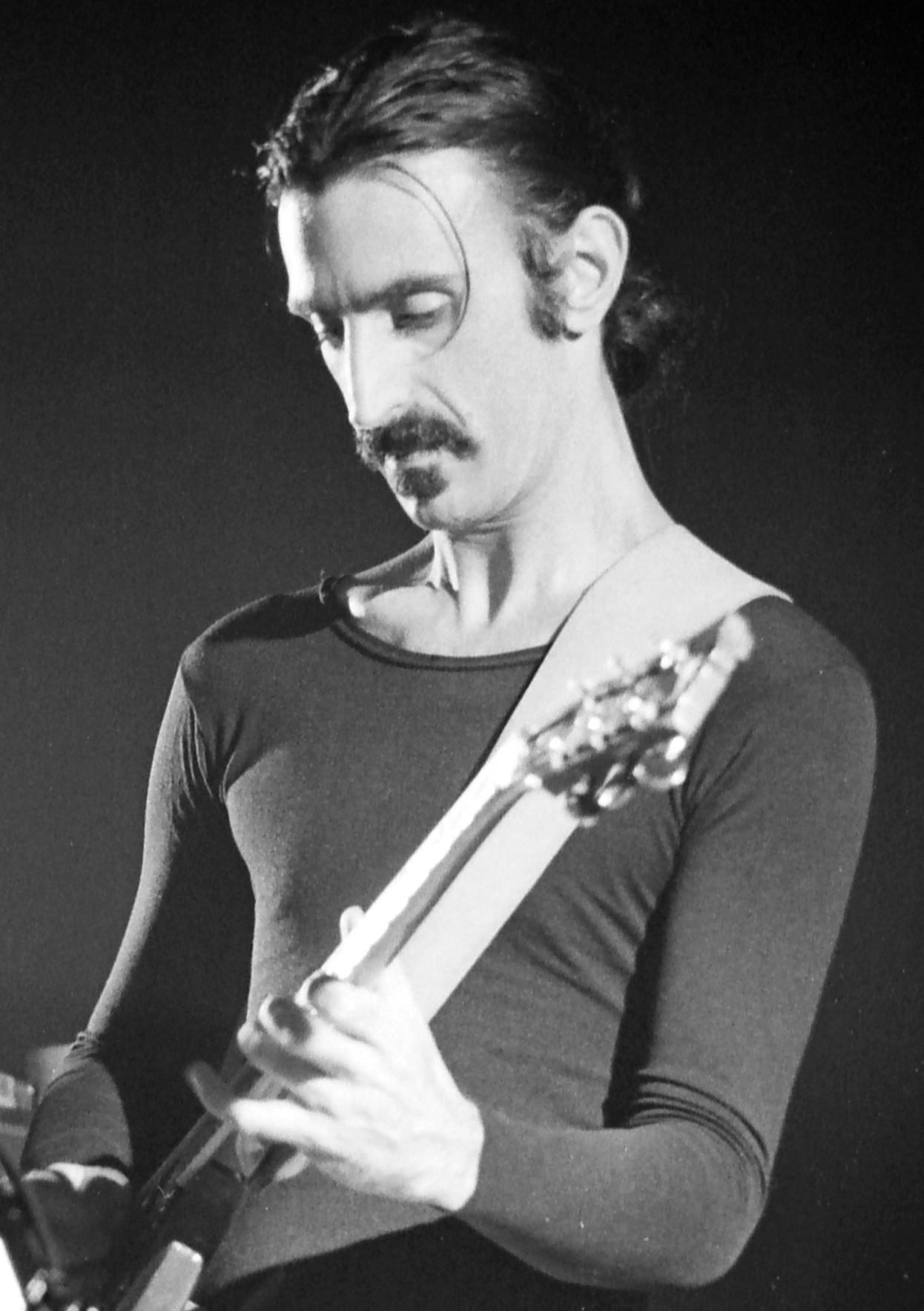
Frank Vincent Zappa (más conocido mundialmente por Frank Zappa) nació un 21 de diciembre de 1940 en Baltimore, estado de Maryland, EEUU. Por el trabajo de su padre se mudó a California, donde se crió, vivió, y desarrolló toda su carrera profesional, convirtiéndose en compositor de música contemporanea tanto sinfónica como de cámara, amén de ser un consumado guitarrista y vocalista, y en lo que siempre se le ha conocido como un artista irreverente donde los haya, inconformista, iconoclasta y un pertinaz provocador tanto en el escenario como en sus discos. La sátira ha sido su principal argumento para lanzar sus particulares soflamas en contra del sistema.

En 1962 compró un estudio de grabación (el "Studio Z") en Cucamonga, donde grababa y producía singles de rhythm & blues. En 1964 formó "The Mothers of Invention", un exquisito grupo de músicos por el que pasaron grandes artistas como Jean Luc Ponty, George Duke, Warren Cuccurullo y otros. Al año siguiente conoció a Herb Cohen, su manager y mano derecha, con quien trabajó durante 12 años. En 1969 disolvió a The Mothers, situación que lo enemistó con la mayoría de los músicos que integraban el grupo, y comenzó una larga trayectoria solista, a veces con su nombre y otras con distintas versiones de "The Mothers".

En 1971, en medio de una época de mucha actividad (discos, giras, películas), un miembro del público subió al escenario durante un show en Londres y lo arrojó al pozo de la orquesta. Este incidente lo obligó a cancelar todos los proyectos y a estar casi un año en silla de ruedas.

Dos años después, vivió una etapa de éxito comercial, con discos como "Apostrophe" y "Overnite Sensation".

En 1976 se peleó con Cohen y demandó a su compañía discográfica (Warner Bros) por "incumplimiento de contrato". A partir de ese momento tuvo graves problemas de difusión y distribución de sus discos, a lo que se le sumó la apatía de la prensa (que había abandonado a los artistas tradicionales en favor del punk y la new wave).

Este período de "ostracismo mediático" concluyó cuando en 1985 se puso al frente de la batalla contra un grupo de mujeres de políticos influyentes que pretendía frenar lo que se denominaba "porn rock" (discos de rock que tuvieran letras "cuestionables para menores").

En 1988 realizó su última gira como músico de rock. Enfermo de cáncer de próstata, siguió componiendo y trabajando en su estudio de grabación, la UMRK (Utility Muffin Research Kitchen). Se dio el gusto de que el Ensemble Modern de Alemania estrenara varias de sus composiciones en un evento que se denominó "The Yellow Shark". Murió en su cama y rodeado por su familia a las 6 de la tarde del sábado 4 de diciembre de 1993.


Zappa desconfiaba del género humano. Sostenía que todos somos estúpidos hasta que demostremos lo contrario. Declaraba no tener amigos, a punto tal que sólo reconocía como tales a su mujer e hijos. Era célebre por sus comentarios satíricos y se deleitaba siendo mordaz.

Los que lo conocieron personalmente lo definen como a un hombre cordial, aunque sumamente hermético. De humor cambiante y siempre imprevisible; con una inteligencia superior.

A pesar de lo que pueda suponerse, era un acérrimo enemigo de las drogas. Llegó a despedir a músicos de su banda por consumirlas en "horas de trabajo", y escribió varias letras exponiendo claramente su punto de vista.

Era muy considerado con sus seguidores. Sabía que su público era quien le financiaba sus proyectos: siempre fue particularmente amable con sus fans.

Fue uno de críticos más mordaces del "american way of life" y de la hipocresía de la sociedad norteamericana. No obstante, descreía del comunismo (se decla-raba "conservador") y aseguraba que los EEUU eran el mejor país del mundo para vivir.

Como curiosidades en torno a su apellido, se han nombrado en su honor: dos asteroides ("3834 Zappafrank" y "16745 Zappa"), un gen ("ZapA", gen del microbo Proteus mirabilis), una medusa (Phialella zappai), un pez (Zappa confluentus), un molusco extinto (Amauratoma zappa), un Arácnido (Pachygnatha zappa, con un dibujo en el abdomen que recuerda al bigote de Zappa), una tarjeta madre de Intel y un personaje del juego Guilty Gear (Zappa).

Web oficial de Frank Zappa

Por 1968 publicaría, y como bien encabeza esta entrada uno de sus discos más controvertidos pero accesibles al gran público, así como uno de los más vendidos de su carrera junto con los otros dos álbumes citados con anterioridad. Realizado a modo de parodia del clásico "Sgt Pepper's Lonely Hearts Club Band" de los Beatles, imitando incluso el diseño de la portada y contraportada, es todo un compendio de estilos dentro del característico estilo "acid-jazz contemporary rock" al cual ha pertenecido por lo general.

El genio inquieto y sardónico de Frank Zappa diatriba con ironía contra el movimiento hippie y la ebullición y efervescencia de su contexto cultural, ejemplicada en el flower-power (primordialmente contra el falso hippismo). Su sátira establecida desde un fascinante y divertido trabajo pop-rock experimental se aposenta sónicamente en recovecos doo wop, pasajes de avant-gardé, pop de buena construcción melódica, elementos jazzisticos e incluso ritmos de vals, y con inclusión de sonidos algo escatológicos en algunos cortes, hilarantes y sincopantes.

También en su temática desarrolla momentos para el optimismo libertario y el énfasis en su autodefinición como personalidad independiente, nihilista y contestaria.

Algunas sonoridades utilizados en piezas de vana categoría y presuntoso vanguardismo como "Nasal retentive calliope music" o la inaguantable "The chrome plated megaphone of destiny", no pueden oscurecer el resultado conjunto de un magistral disco, original, ecléctico, hilarante y sorprendente, de vocalidad retorcida y bufona que contiene joyas (todas ellas de exigua duración) del repertorio zappiano como "Who needs the peace corps", "Concentration Moon", "What's the ugliest part of your body?", "Absolutely Free", "Idiot bastard son", "Flower punk", "Mother people", "Let's make the water turn black", "Lonely little girl" o "Take your clothers off when you're dance", tema éste que fue sacado musicalmente de su anterior disco "Lumpy Gravy" y revisionado para esta ocasión.

En 1986, la compañía Rykodisc, propietaria de los derechos sobre la discografía de Zappa, publicó una reedición especial en CD conteniendo el álbum de 1968 con nuevas mezclas sobre todo las partes rítmicas con nuevas líneas de bajo y percusión, junto con el disco "Lumpy Gravy", con la portada original restaurada, luego nuevamente reeditada con la autorización de la familia del ya desaparecido compositor, en 1995, con la inclusión de la edición original, tal como salió en 1968, publicada por Verve en su origen.

TRACKLIST:

Are You Hung Up? (1:24)
Who Needs The Peace Corps?(2:34)
Concentration Moon (2:22)
Mom & Dad (2:16)
Telephone Conversation (0:49)
Bow Tie Daddy (0:33)
Harry, You're a Beast (1:21)
What's The Ugliest Part Of Your Body? (1:03)
Absolutely Free (3:24)
Flower Punk (3:03)
Hot Poop (0:27)
Nasal Retentive Calliope Music (2:03)
Let's Make The Water Turn Black (2:01)
The Idiot Bastard Son (3:19)
Lonely Little Girl (1:10)
Take Your Clothes Off When You Dance (1:33)
What's The Ugliest Part Of Your Body? (Reprise) (1:02)
Mother People (2:26)
The Chrome Plated Megaphone Of Destiny (6:25)
Lumpy Gravy Part 1
Lumpy Gravy Part 2

Temas escogidos, a modo de muestra, del álbum:

- "FLOWER PUNK".

- "WHAT'S THE UGLIEST PART OF YOUR BODY"

sábado, 3 de noviembre de 2007

David Bedford – Star’s End (1974)

Stars-end
David Bedford (1937) is a British composer who has pursued two parallel careers, one as an avantgarde composer in the vein of John Cage and one as a popular composer of epic-length melodic fantasies in the vein of Mike Oldfield.

A pupil of Lennox Berkeley at London's Royal Academy Of Music and of Luigi Nono in Venezia, Bedford began by writing music that mirrored the techniques of the 1960s. Two Poems for Chorus (1963) already displayed his love for the choir, while A Dream of the Seven Lost Stars (1965) first betrayed his passion for astronomy. Bedford's eccentric taste and sense of humour was evident in An Exciting New Game For Children Of All Ages, whose development depends on dice, and in With 100 Kazoos, a piece for audience playing a hundred toy kazoos. Music For Albion Moonlight (1970), a chamber work for soprano and septet composed in 1965, was the first one to be released on record.

The mini-album Garden of Love (Voiceprint, 1997) contains the 1970 piece for chamber ensemble and rock group (Kevin Ayers, Mike Oldfield, Robert Wyatt, David Bedford, Lol Coxhill) inspired by William Blake's poetry.

Nurses Songs With Elephants (Dandelion, 1972) collects the title-track, a minimalistic work for ten acoustic guitars, Trona (1967) and Some Bright Stars for Queen's College (1969), a composition for 80 college girls' voices and 27 plastic pipe twirlers.

His music for the opera From Marie Antoinette to the Beatles (1968) somehow introduced him to the world of rock music, and suddenly he was playing keyboards for Kevin Ayers.

A young member of that group, Mike Oldfield, invented a new form with his Tubular Bells, and Bedford decided to follow his example with Star's End (Virgin, 1974), a suite performed by the Royal Philharmonic Orchestra. The main differences between him and Oldfield were that Bedford was educated at using orchestras and choirs, was more familiar with minimalism and other modern compositional techniques, and was more interested in cosmic themes than in folk themes.

Tracklist:

Star's End (Part One) – 23’48’’
Star's End (Part Two) – 22’54’’

Spotify

Cómpralo aquí / Buy it here:

- Amazon.co.uk
- Amazon.com
- Tesco
- 7-Digital UK
- 7-Digital ES
- MP3 Mixx

domingo, 21 de octubre de 2007

Mungo Jerry - In The Summertime


Mungo Jerry are an English folk/classic rock group whose greatest success was in the early 1970s, though they have continued throughout the years with an ever-changing line-up, always fronted by Ray Dorset. They are remembered above all for their hit "In the Summertime". It remains the most successful and most instantly recognisable summer song. Their name was inspired by the poem Mungojerrie and Rumpelteazer, from T. S. Eliot's Old Possum's Book of Practical Cats. According to Joseph Murrell's The Book of Golden Discs (1978), 'Mungomania' was possibly the most startling and unpredicted pop phenomenon to hit Britain since The Beatles.

(C) Wikipedia.

martes, 9 de octubre de 2007

And now, for something different...

LES LUTHIERS (OTROS GENIOS)


---

GENIOS DEL HUMOR (TIP Y COLL)

Su más memorable gag del vaso de agua.

Pardonnez-moi pour Français language usité dans ce video, c'est totalment figuratif.


---

A DAY IN THE LIFE (Curious Beatles video-clip)


Strange clip with classic Beatles "A day in the life" (most images corresponding to a concert rehearsal or whatsoever it is, circa 1967 or next year. I dunno!). See inside Rolling Stones line-up, Donovan and other stand-up musicians. Ending seconds are very beautiful.

miércoles, 3 de octubre de 2007

Trailer de la película "HELP!" de los Beatles

Trailer del film de Richard Lester "Help!" con los Beatles, nuevamente, de protagonistas, después de interpretarse a sí mismos en el clásico "Qué noche la de aquel día".

"Help!" movie trailer for Richard Lester film starred by The Beatles, again, after making themselves in previous "A Hard Day's Night" classic.


Discos para escuchar en SoundCloud: Neil Young - Harvest (1972)

De Wikipedia: Harvest es el cuarto álbum de estudio del músico canadiense-estadounidense Neil Young, lanzado el 15 de febrero de 1972 por Re...